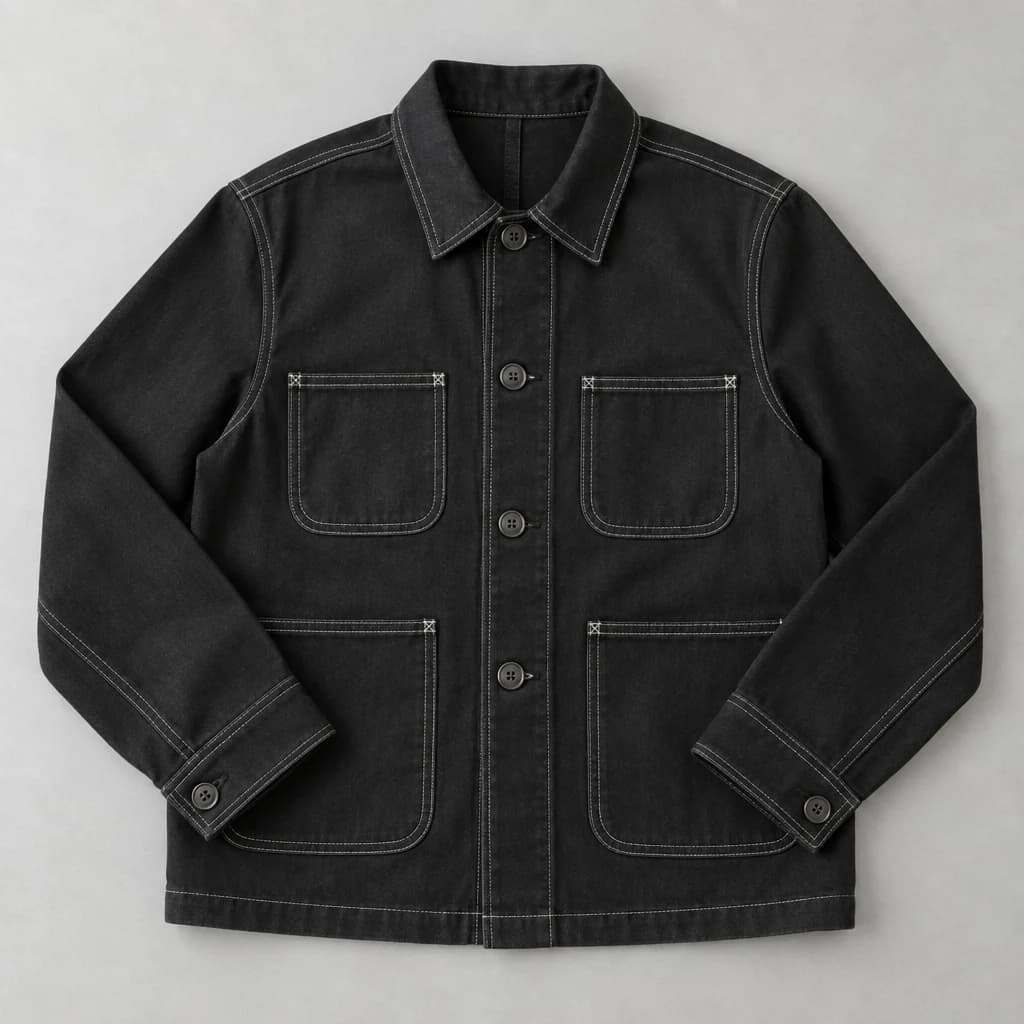
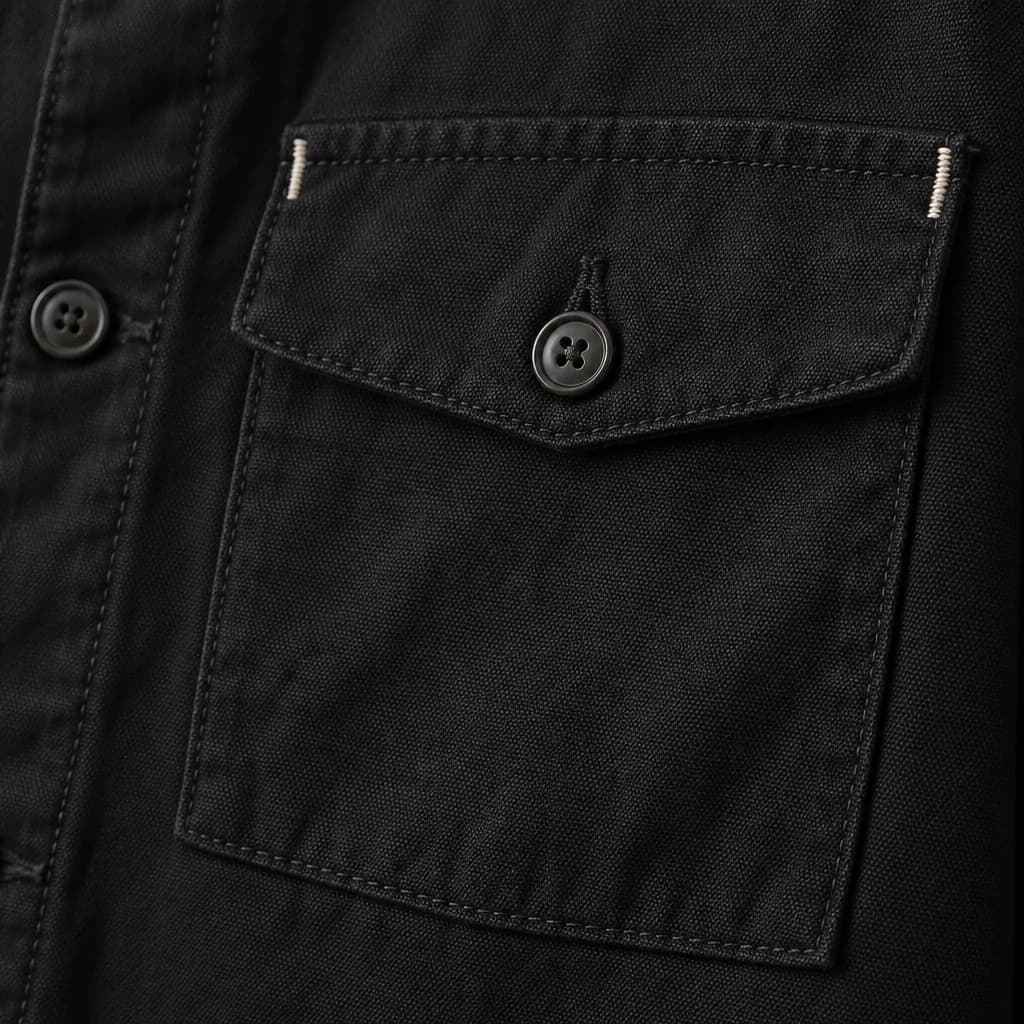
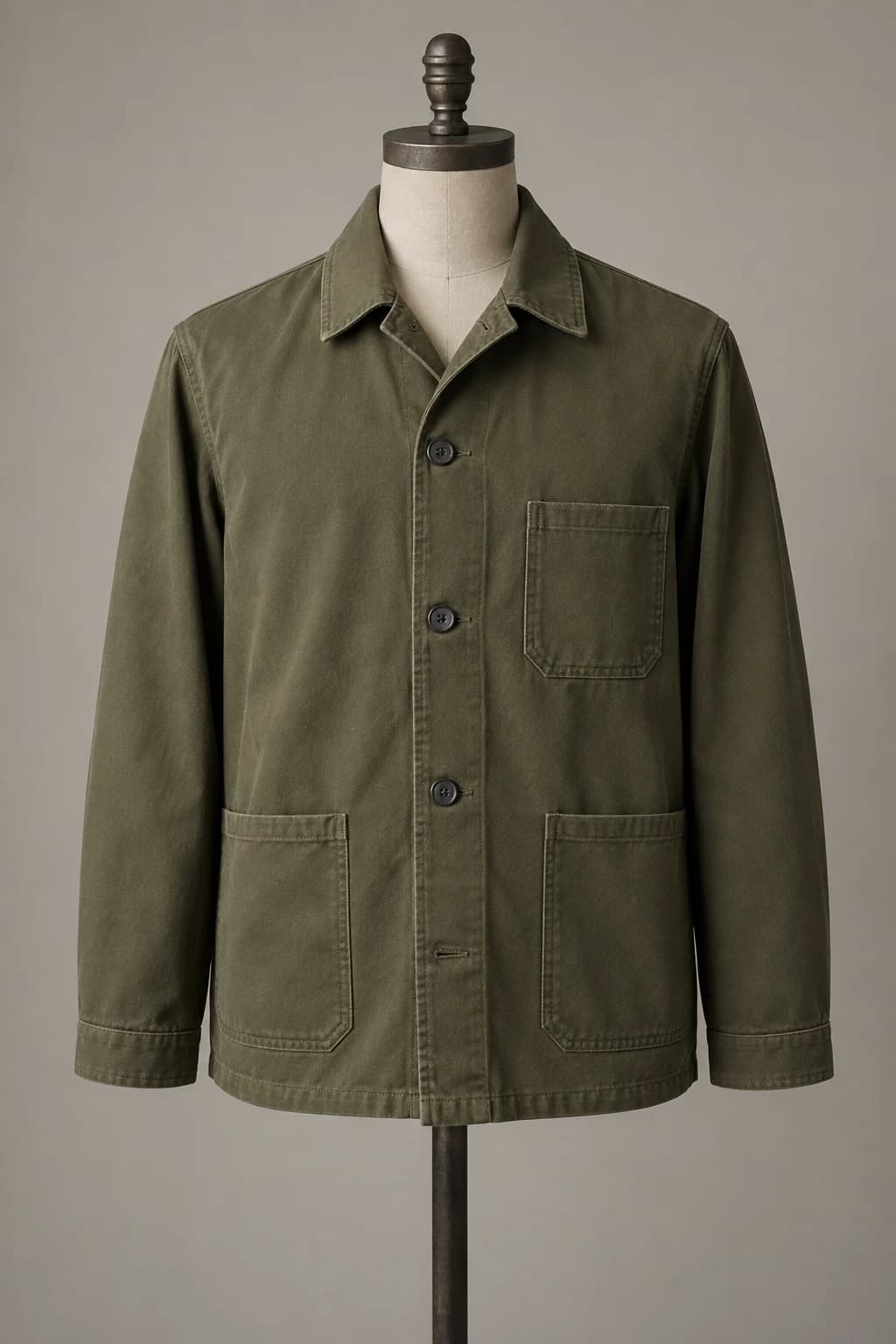
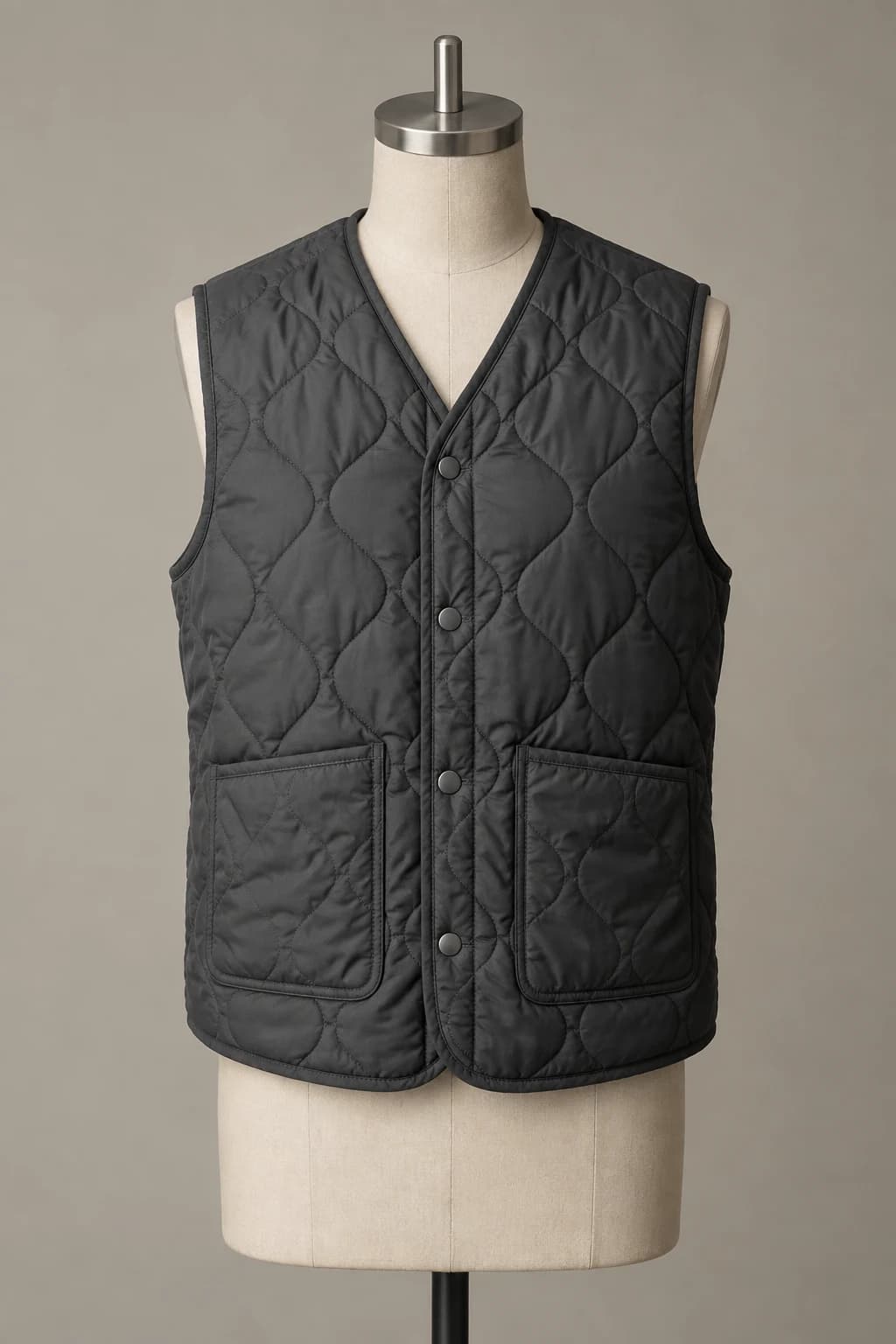
Keep references, flats, materials, and measurements in one shared workspace, and let agents turn approved designs into tech packs your factory can build from.
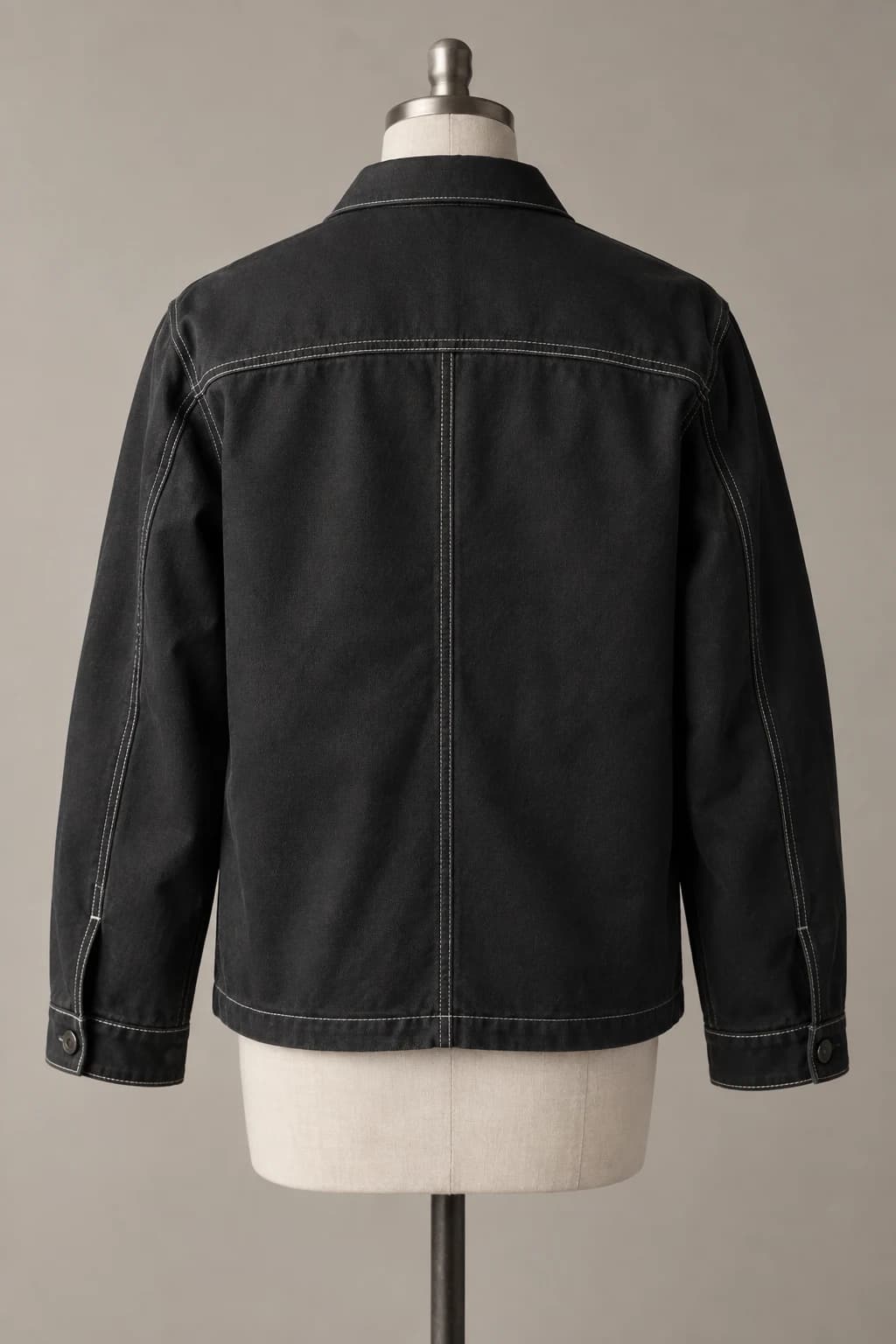
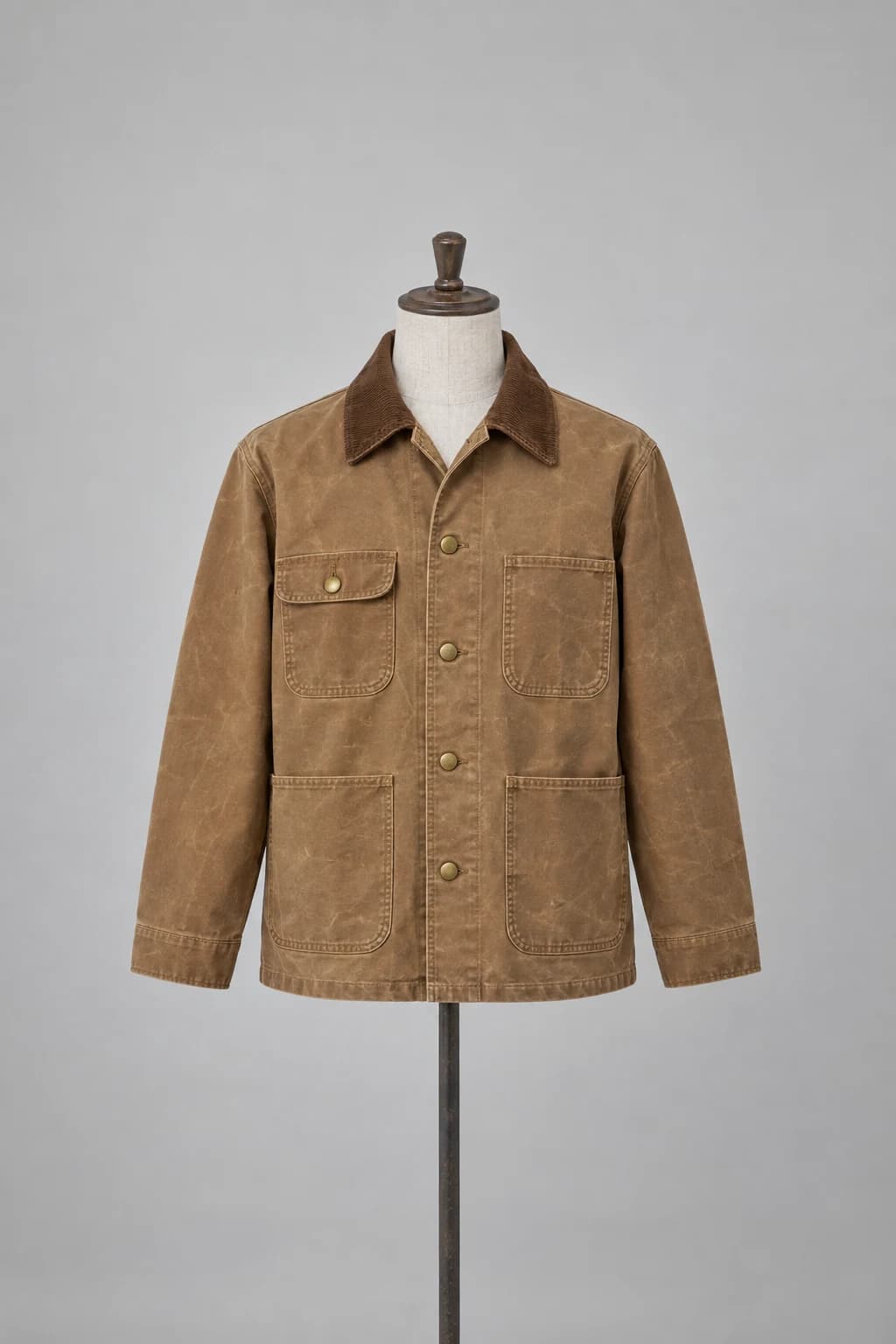
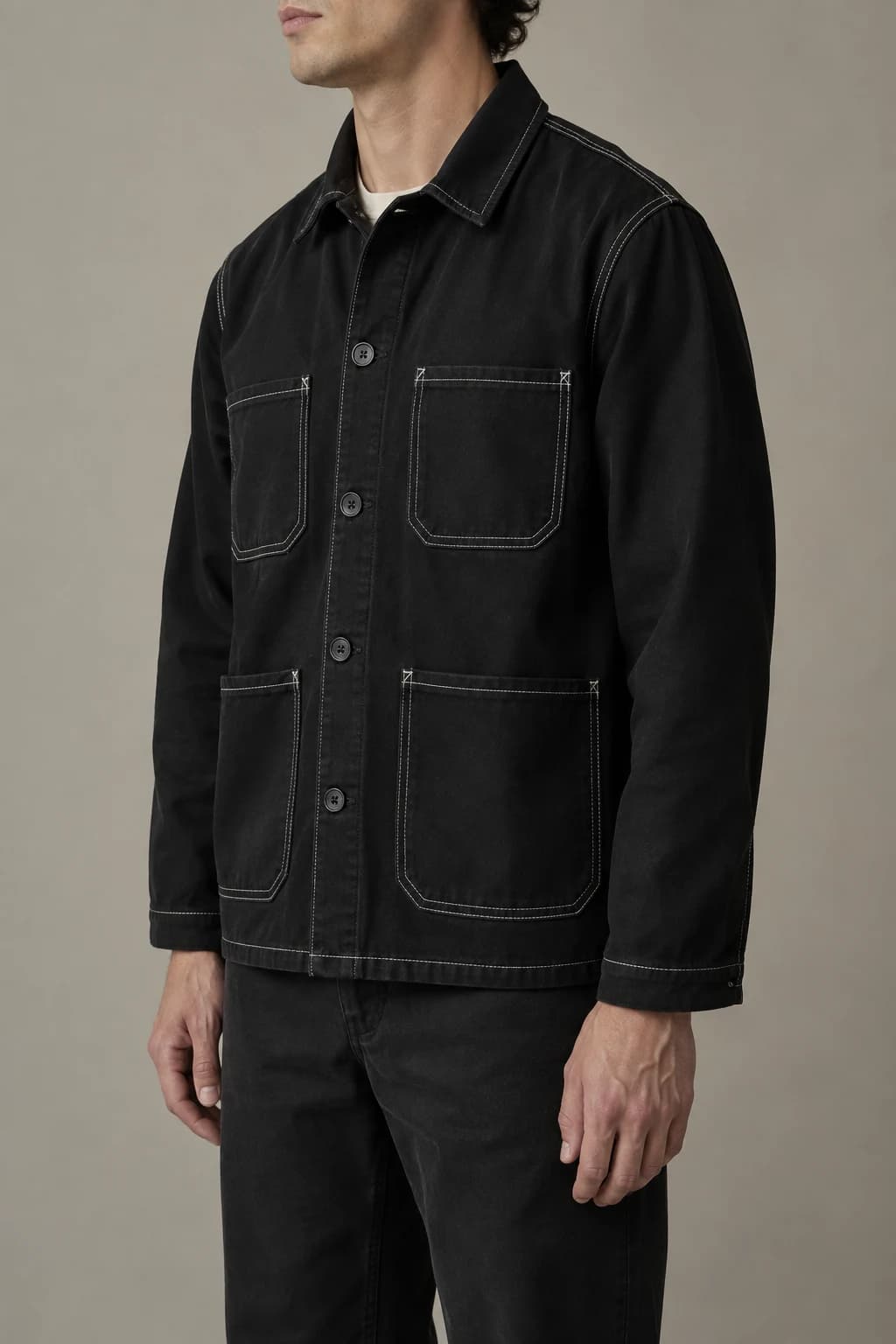
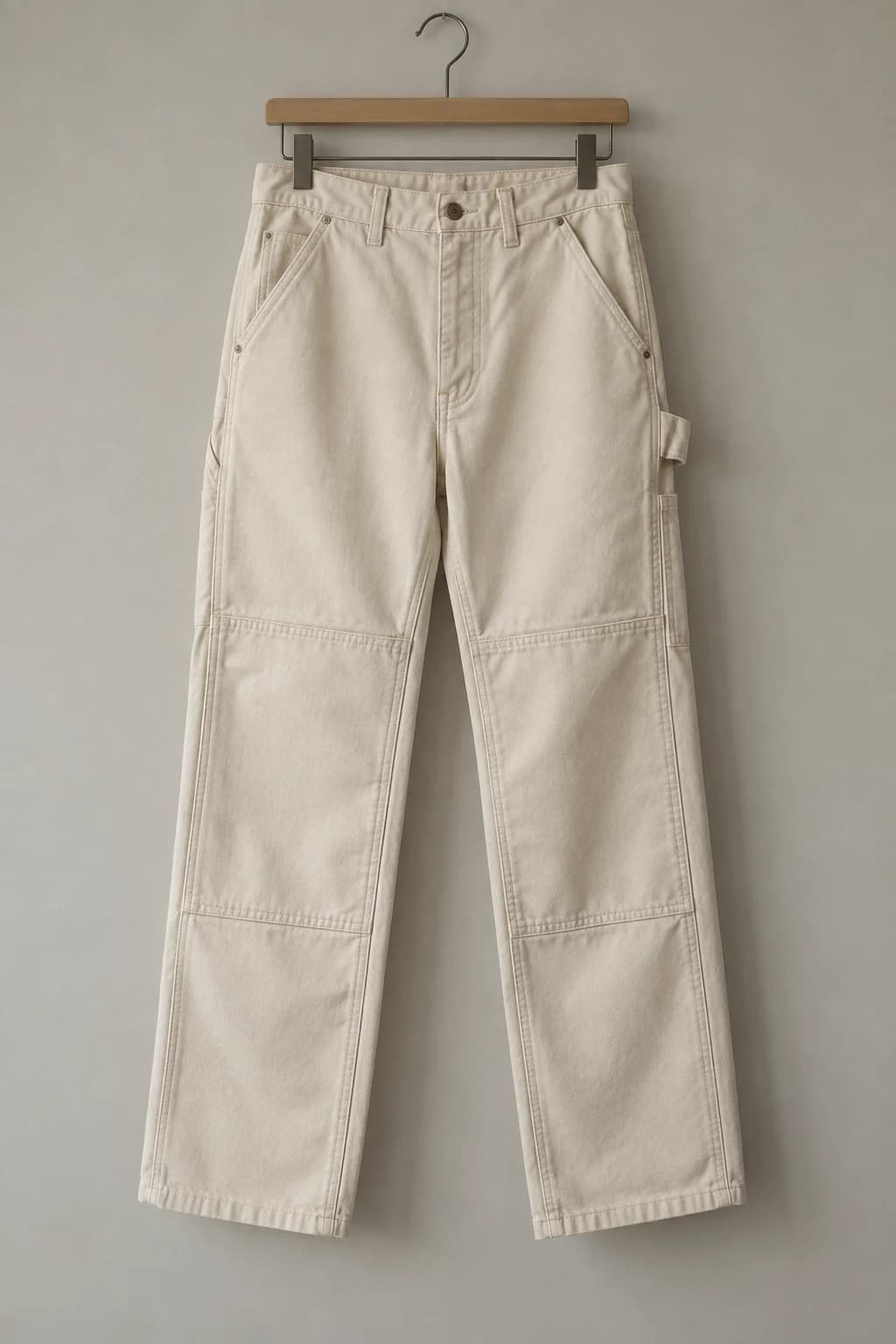
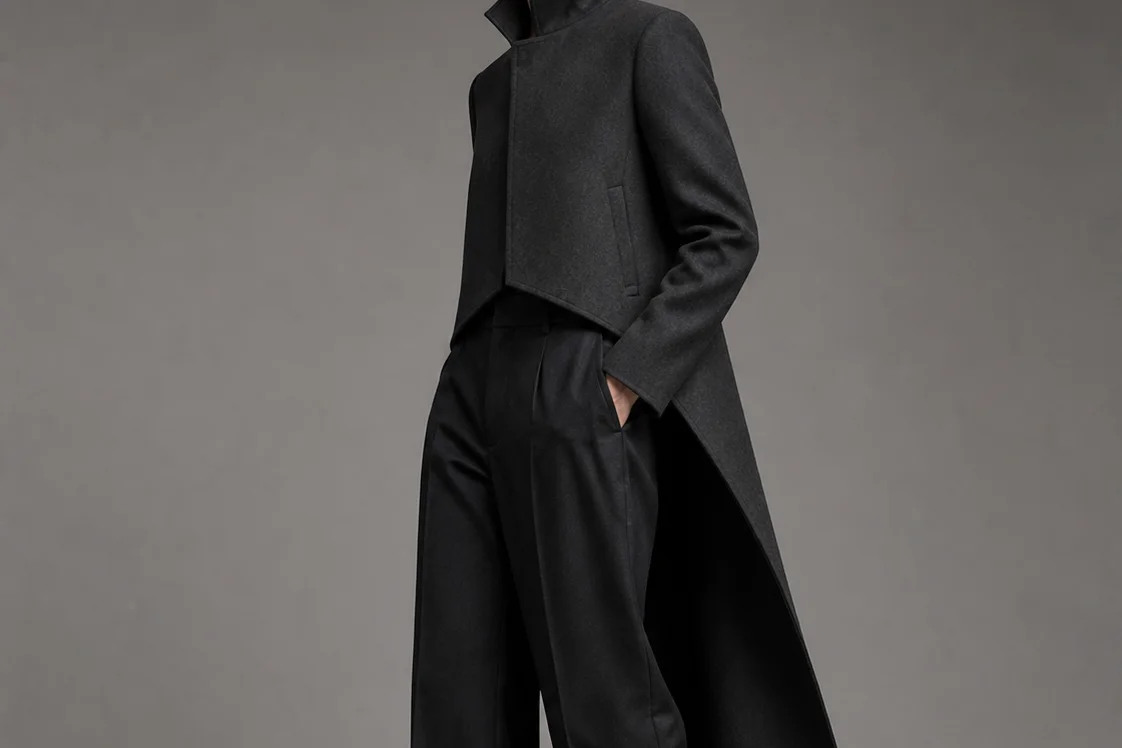
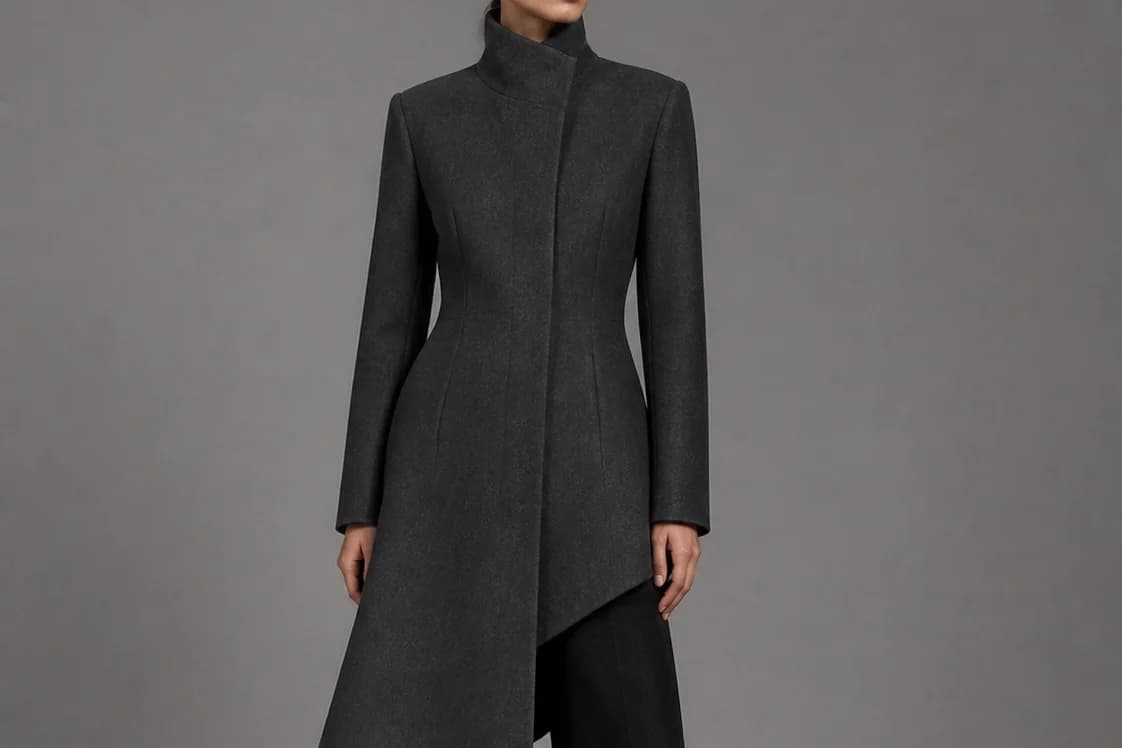
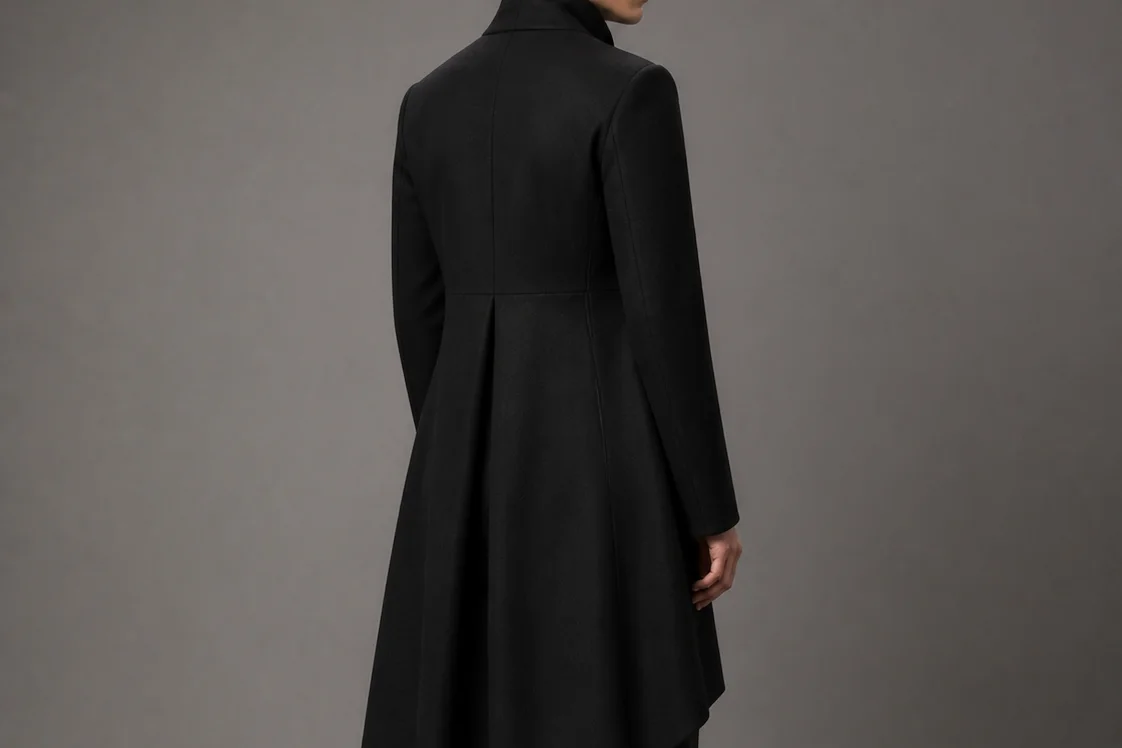
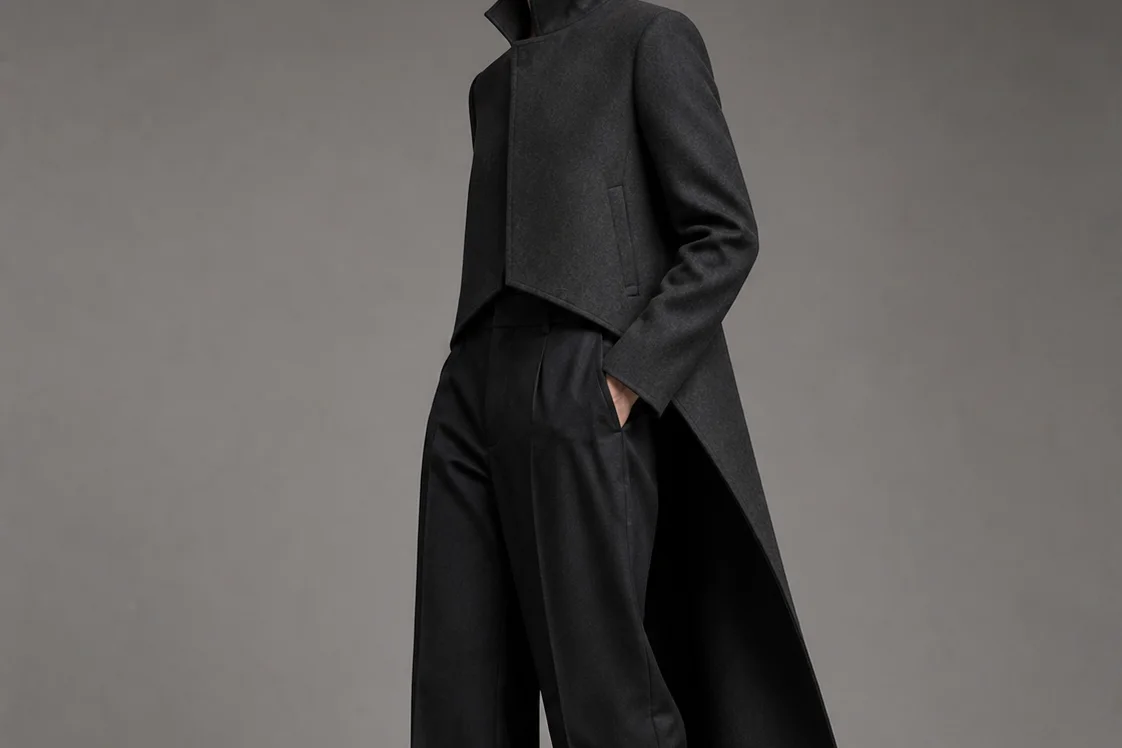
Tabi identifies garment shapes, construction, fabrics, finishes, color, and provenance. Use those details to shape the garments your team develops next.
Garment + silhouette
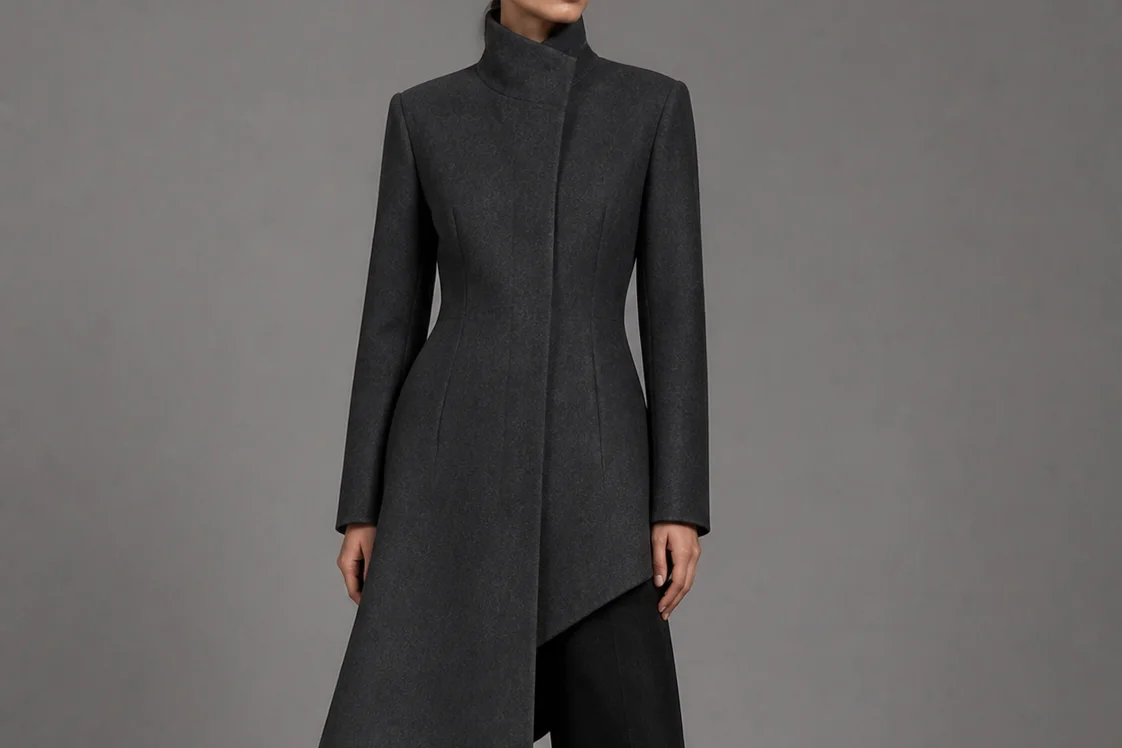
Trench coat, long line, close shoulder
Construction extraction
Shifted seam, shaped panel, concealed closure
Material extraction
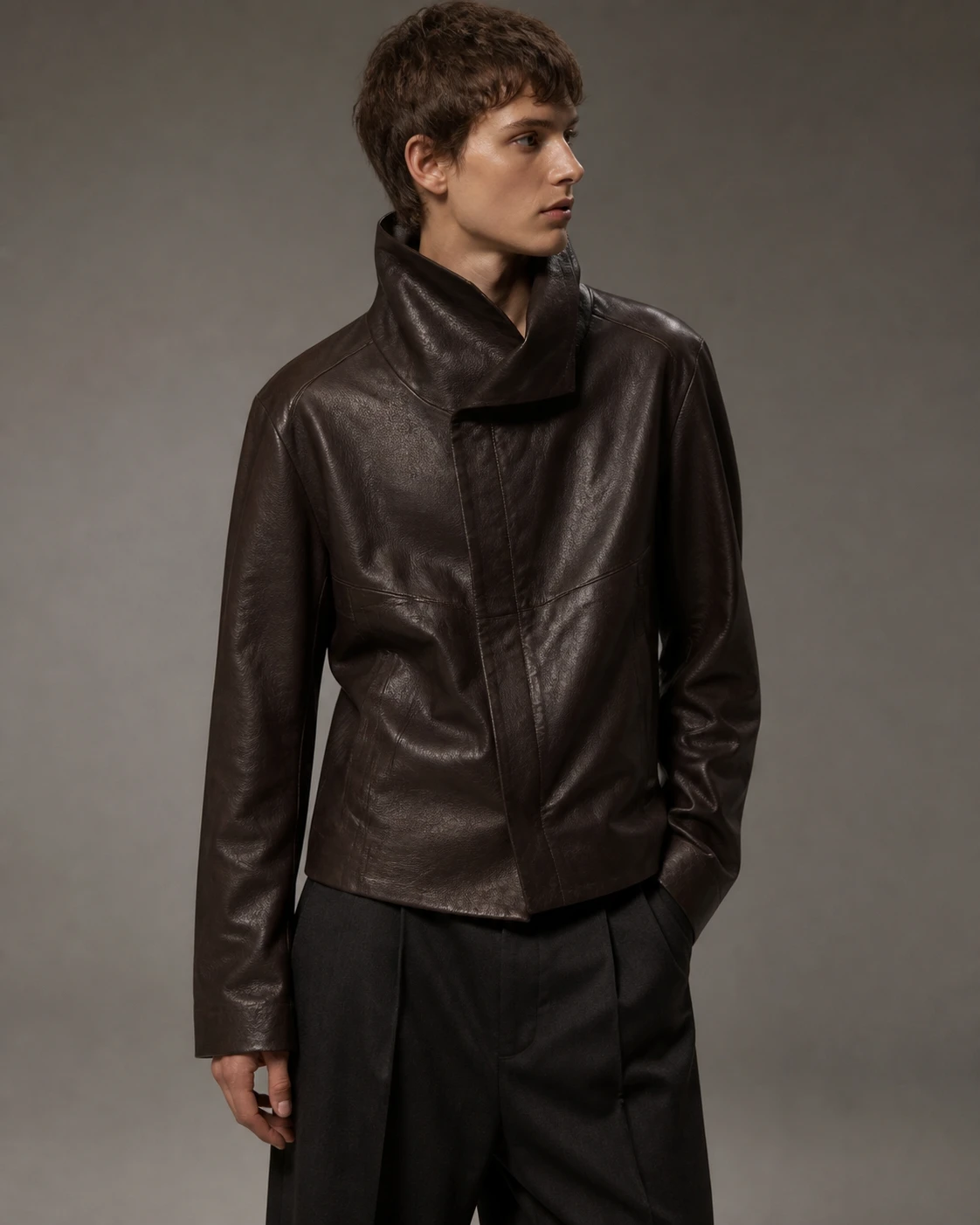
Washed lambskin, low sheen, medium weight
Color matching
Example Pantone match: 19-3923 TCX
Provenance
Source, designer, season, date saved
Ask Tabi about anything your team has saved.
Ask questions about the references your team has uploaded, from the seam or material behind an approved look to an abandoned direction worth revisiting. Tabi can bring in verified fashion context beyond your archive and shows the evidence behind every answer.
Show me cropped coat references with a fitted torso and shifted hem.
Searching 1,284 studio references
The strongest direction is a fitted torso that breaks below the waist into an asymmetric, back-weighted hem. I found 14 related construction studies across your studio archive, each with source and usage rights attached.
Cropped-front coat study
Asymmetric panel study
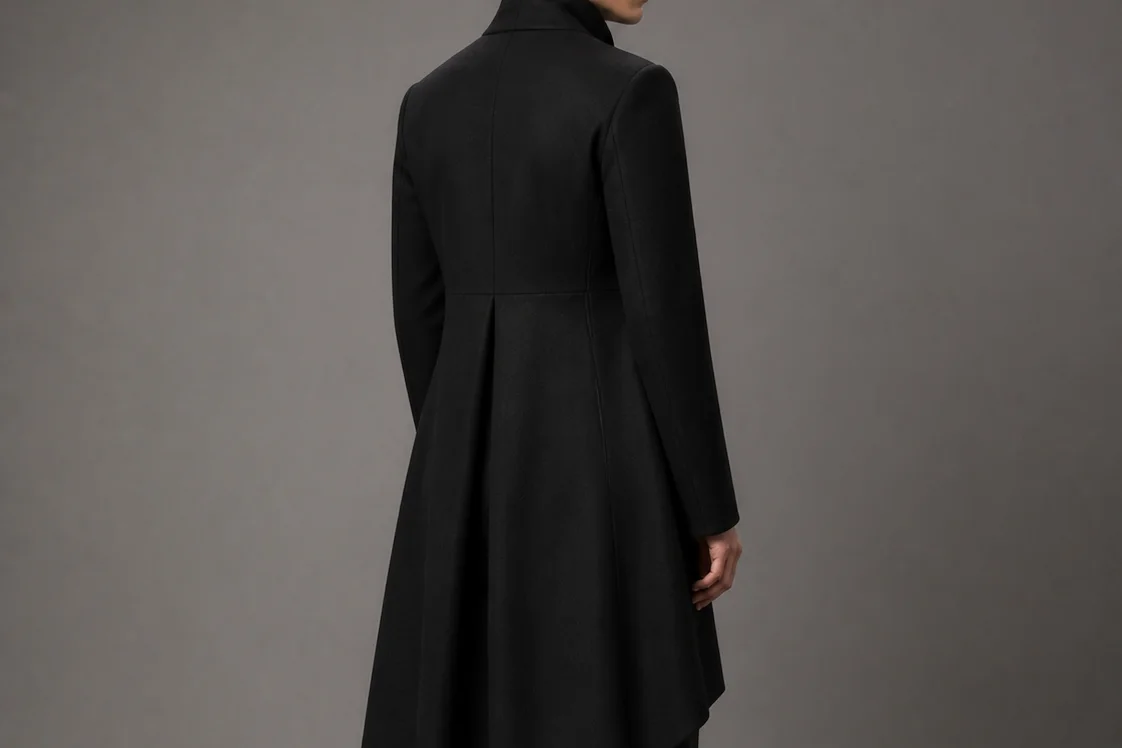
Dipped-back release study
Compared against your brand dnaConstruction, material, color, and past decisions
Brand fit
91%
Novelty
High
Closest color
Pantone 19-4007 TCX
Carry the cropped front and extended back into a lighter bonded wool. Keep the neck clean and let the shift come from one controlled release panel that feels directional, not costume.
Give agents the context to do real development work.
Tabi turns approved archive evidence, recurring design codes, and team decisions into working context agents can use to research, critique, and develop styles.
01
Import your back catalog automatically
Connect Shopify to bring your garments, materials, imagery, and product history into Tabi, ready for analysis and reuse.
Tabi
Cropped-front coatImported
Asymmetric panel coatImported
Dipped-back coatImported
aes-studio.myshopify.comConnected
Synced from the storeHourly
Products
128
Product images
512
Materials
46
Order history
3 seasons
02
Turn the archive into shared intelligence
Tabi analyzes references, past styles, materials, flats, and decisions, then makes that context available to the whole team and its agents.
Cropped coats with a shifted hem⌘K
TabiLibrary / ReferencesMJT
Cropped-front coatSaved by Mara · FW26 · 12 Aug
Garment
Coat · cropped front
Silhouette
Fitted torso
Construction
Extended back hem
Material
Structured wool
Color
19-3923 TCX
Composition
80%Wool20%Cashmere
Studio context
MJTShared with the whole team
2styles reference this coat
Cited in the sleeve pitch critique
03
Extract brand dna from approved work
Tabi identifies the silhouettes, materials, colors, hardware, treatments, and construction details your styles repeat, then uses those codes to guide and critique new work.
TabiMemory / Brand DNARev 4
Compact volumeClose shoulder, cropped or fitted torso
14/18 styles
Shifted seamsPanel lines moved off the body's center
Design and edit garments together using editable flats, fashion-specific color and material tools, live comments, and synced style records that carry every change into development.
Tabi is a shared workspace for fashion teams. It holds the studio’s reference archive, a multiplayer design canvas with editable garment flats, style records with reviews and approvals, and tech pack export. AI agents work from the same records the team does.
Who is Tabi for?
Tabi is built for in-house design, merchandising, and product development teams at apparel brands and retailers. A focused studio can run a season together, while a larger organization can organize work across projects and collections without losing a shared archive or style history.
How is Tabi different from a PLM?
PLM systems manage sourcing, compliance, costing, production, and delivery once a style moves downstream. Tabi covers the creative and development work before that: research, design, review, approvals, and the production-ready pack. It complements a PLM and gives design teams a workspace built for how they actually work.
How does Tabi improve the tech pack workflow?
Instead of starting from a blank template or copying decisions between tools, Tabi builds each pack from the approved style record. Flats, measurements, materials, colorways, review decisions, blockers, and revisions stay connected, then export as a factory-ready PDF, JSON, measurement and BOM CSVs, and SVG flats.
What can Tabi’s AI agents do?
Research a garment or material, pull construction and color detail out of a reference, generate a matching back view or colorway from a selected image, draw and revise editable flats, build style records from approved work, and assemble a development pack. Every answer shows the reference it came from.
Can I bring in work my team already has?
Yes. Connect Shopify to import your product catalog with its imagery and history, upload references and files directly, or import Illustrator, SVG, and PDF artwork as editable flats.
How is Tabi different from Pinterest, a moodboard, or a shared drive?
A moodboard stores images. Tabi reads them: garment type, silhouette, seam and closure construction, fabric, finish, Pantone-matched color, and where the image came from. That detail is searchable across the studio and carries into the design and development work.
How does Tabi protect our studio’s data?
Studio work is private by default. Tabi checks sign-in and workspace membership on protected requests, enforces row-level database permissions between organizations, keeps customer files in private storage behind short-lived signed URLs, encrypts connected-shop tokens, and makes external share links revocable. We use data to provide the service and do not sell customer content or personal information.